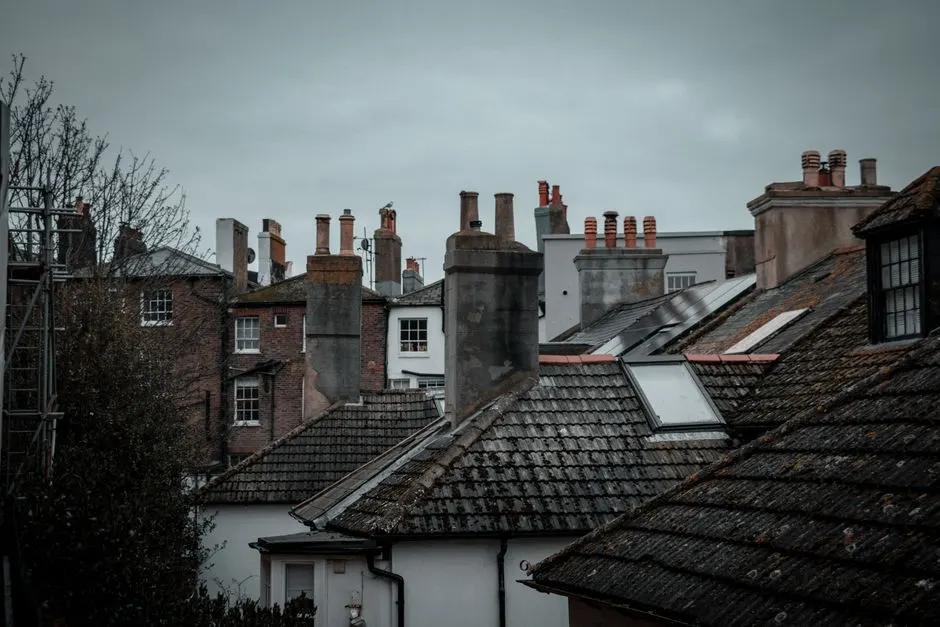
Chimney waterproofing in West Trenton is the application of a breathable, vapor-permeable water repellent to the brick, mortar, and crown of your chimney so that rain and snowmelt bead off the masonry instead of soaking into it. If your chimney is more than a few years old and has never been sealed, water is already working its way into the brick - and the freeze-thaw cycles along the Delaware River valley will turn that moisture into cracked, spalling masonry before spring.
We handle a lot of Chimney repair in this part of Mercer County, and waterproofing is the single cheapest thing a homeowner can do to avoid a four-figure rebuild. Here is what the work involves, what it costs in 2026, how often you need it, and the mistakes that let water win.
Why West Trenton chimneys need waterproofing more than most
West Trenton sits in a river valley, and that geography is brutal on masonry. Humidity off the Delaware stays high through fall, then temperatures drop below freezing at night and climb back into the 40s during the day - sometimes for weeks at a time.
Every one of those cycles is a small demolition event. Water soaks into the pores of the brick, freezes, expands roughly 9 percent in volume, and pushes the face of the brick outward. Do that fifty or sixty times in a winter and you get the flaking, crumbling brick faces we call spalling.
Homes near the West Trenton Train Station and along the older streets off Grand Avenue tend to have chimneys built between the 1920s and 1950s. That brick is dense and absorbent - great for holding heat, terrible for shedding water on its own. Modern brick is fired differently and absorbs less, but it still needs sealing.
There is a second factor most homeowners miss: the crown. That concrete cap on top of the chimney takes the full force of rain and snow. Once it cracks, water runs down the inside of the flue and into the smoke chamber, which is a much more expensive problem than wet brick.
What chimney waterproofing actually does
Chimney waterproofing is a masonry treatment that repels liquid water while still allowing the brick to breathe water vapor out. That distinction matters more than anything else in this article.
Brick is porous by design. When a chimney is in use, moisture inside the flue and inside the masonry needs a way out. If you coat the outside with a film-forming sealer - paint, rubberized coating, some of the products sold at big-box stores - you trap that moisture inside. The next freeze pops the coating off, and the brick underneath is now wetter than it was before you started.
A proper water repellent, usually a siloxane or silane-based product, penetrates into the brick and lines the pores without closing them. Water beads on the surface. Vapor still escapes. We use products that carry a breathability rating and are formulated for masonry, not for concrete driveways.
What waterproofing does not do:
- It does not fix an existing crack, a failed crown, or a rusted flashing. Those get repaired first.
- It does not stop water coming down the flue from an uncapped chimney.
- It does not replace a chimney cap or a missing rain cover.
If your chimney is leaking, the leak has a source. Sealing over a leak without finding it just hides the symptom for one season. That is why we always pair waterproofing with a proper Chimney leak repair in Ewing, New Jersey inspection when a homeowner tells us water is showing up in the firebox.
How much does chimney waterproofing cost in West Trenton?
Typical 2026 pricing for chimney waterproofing in West Trenton runs $300 to $650 for a standard single-flue residential chimney, including cleaning the masonry, treating the brick and mortar, and sealing the crown.
Here is how that breaks down in this area:
- Standard single-flue chimney, 12 to 20 feet: $300 to $450.
- Large or two-flue chimney, or one with significant surface area: $450 to $650.
- Chimney with heavy spalling or prior repairs: $650 to $900, because prep work takes longer.
- Crown sealing or crown rebuild as part of the job: add $150 to $400 depending on crown condition.
Those numbers assume the chimney is structurally sound. If the brick is already crumbling, waterproofing alone will not save it - you are looking at repointing or partial rebuild, which is a different budget. We see that most often on chimneys that have gone 15 or 20 years without any treatment.
For comparison, a full chimney rebuild in this market runs $3,000 to $8,000. Waterproofing is the cheapest insurance you can buy on a masonry chimney, and it takes half a day.
How often should chimney waterproofing be done in West Trenton?
Waterproof your chimney every 5 to 7 years in West Trenton, and re-treat sooner if you can see the masonry darkening after rain or if water stops beading on the surface.
That interval is shorter than what you will read for drier climates. The reason is the freeze-thaw cycle. Each winter here puts the treatment through repeated stress, and the UV exposure on an unshaded chimney breaks down the repellent over time.
Two easy checks between professional treatments:
- After a heavy rain, look at the brick. If it is still dark an hour later, the repellent is failing.
- Pour a cup of water on the brick on a dry day. If it soaks in instead of beading and running off, it is time to reseal.
We fold waterproofing into our Chimney maintenance in Ewing, New Jersey visits for exactly this reason. When we are already on the roof for an annual inspection, adding the treatment is fast and cheap compared to booking a separate visit.
The waterproofing process, step by step
A proper job takes three to five hours on a typical West Trenton chimney, weather permitting. Here is what we do.
1. Inspect and repair first
We check the crown, flashing, cap, and mortar joints before we touch a drop of sealer. Cracks get filled. Loose mortar gets repointed. A failed crown gets rebuilt. Sealing over damage traps the problem in place.
If the crown is cracked through or crumbling, that is a repair, not a sealing job - our Chimney crown repair in Ewing, New Jersey team handles that before waterproofing goes on.
2. Clean the masonry
Dirt, algae, and efflorescence - that white chalky staining on brick - block the sealer from penetrating. We scrub the surface and let it dry completely. Applying repellent to damp brick is one of the most common DIY failures.
3. Apply the water repellent
We spray or brush the product on in two passes, working from the bottom up so there are no runs. Coverage is roughly 100 to 150 square feet per gallon on absorbent brick. The masonry needs to be dry and the temperature needs to stay above 40°F for at least 24 hours after application.
4. Seal the crown separately
The crown gets a flexible masonry sealant, not the same repellent used on the brick. Crowns move with temperature changes, so the sealant has to flex with them.
5. Verify the beading
Before we pack up, we test a section with water. If it beads and rolls off, we are done. If it soaks in, we reapply. This is the step that separates a real waterproofing job from a guy with a sprayer.
Common mistakes we see on West Trenton chimneys
Most of the waterproofing failures we get called to fix were caused by one of five mistakes. All of them are avoidable.
- Using the wrong product. Concrete sealers, Thompson's WaterSeal, and rubberized coatings are not masonry water repellents. They trap vapor and peel within two winters.
- Sealing a wet chimney. If the brick is damp, the repellent cannot penetrate. It sits on the surface and washes off.
- Skipping the crown. The crown is where most chimney leaks start. Sealing the walls and ignoring the top is like waterproofing a boat but leaving the hatch open.
- Waterproofing over damaged mortar. Crumbling joints need repointing first. Sealer over loose mortar just glues the crumbs together for a season.
- Applying in the wrong conditions. Below 40°F, or with rain in the forecast within 24 hours, the product will not cure properly.
We also see homeowners seal a chimney that has a cracked flue liner. Waterproofing the outside does nothing for a liner that is letting heat and moisture through. If your liner is compromised, that is a separate repair - our Chimney relining in Ewing, New Jersey service addresses it directly.
When to call a professional
Call a professional if your chimney is taller than one story, if you can see cracked or crumbling brick, or if you have already tried a store-bought sealer and it did not last a season.
Roof work is the real reason. A two-story chimney puts you on a pitched roof with a sprayer, and one slip is a hospital visit. Beyond safety, a pro can tell the difference between a chimney that needs waterproofing and one that needs repointing, crown work, or a new liner - and those are very different jobs.
At Link Tough, we inspect first and quote the actual scope. If waterproofing is all your chimney needs, that is what we sell you. If it needs masonry repair before sealing, we tell you that up front instead of sealing over a problem that will cost you more next year.
Frequently Asked Questions
How much does chimney waterproofing cost in West Trenton?
Most West Trenton homeowners pay $300 to $650 in 2026 for a standard single-flue chimney, including crown sealing. Larger chimneys or ones needing prep work run $650 to $900. A full rebuild, by contrast, starts around $3,000.
Why is chimney waterproofing important in West Trenton, New Jersey?
The freeze-thaw cycle here - wet winters with temperatures swinging above and below 32°F - drives water into brick pores, where it freezes, expands, and spalls the masonry. Waterproofing stops that cycle before it starts. It also prevents interior water damage and rusted dampers.
How often should chimney waterproofing be done in West Trenton?
Every 5 to 7 years. Reapply sooner if water no longer beads on the brick or if the masonry stays dark after rain. Chimneys on the windward side of the house, or with heavy sun exposure, tend to need it closer to the 5-year mark.
Who does chimney waterproofing in West Trenton?
Link Tough handles chimney waterproofing across West Trenton and the surrounding Ewing area. We inspect first, repair any crown or mortar issues, then apply a breathable masonry repellent and verify the beading before we leave. Call (844) 803-5147 to schedule.
Can I waterproof my own chimney?
You can, but the failure rate is high. The most common mistakes are applying to damp brick, using a non-breathable product, and skipping the crown. If your chimney is more than one story tall, the roof access alone makes it a job for a professional.
Get help with Chimney repair in Ewing
If your West Trenton chimney has never been sealed, or if it has been more than five years since the last treatment, now is the time - before the first hard freeze sets in. We will inspect the masonry, repair what needs repairing, and waterproof the rest so it lasts.
Call Link Tough at (844) 803-5147 to schedule your chimney waterproofing in West Trenton.